🎨 What to Do With All the Kids’ Artwork (Without Feeling Like a Monster)
Drowning in kids’ school artwork? Here are simple, realistic ways to organize, store, and manage your child’s artwork without the clutter.
Disclosure: This post contains affiliate links. That means I may earn a small commission if you purchase through them. It's no extra cost to you. Thanks for your support!
Continuing our run of Spring cleaning, let's talk about the really tough part about keeping your house clean as a parent: your kids' artwork.
The first piece of school artwork my child brought home was adorable. It was a handprint Thanksgiving turkey with googly eyes and a construction paper beak. I admired it like it was museum-quality work. It went straight on the fridge.
The tenth piece was still cute. Our fridge was starting to run out of real estate though.
By the fiftieth? Let's just say children produce artwork at a speed that no refrigerator is prepared to handle.
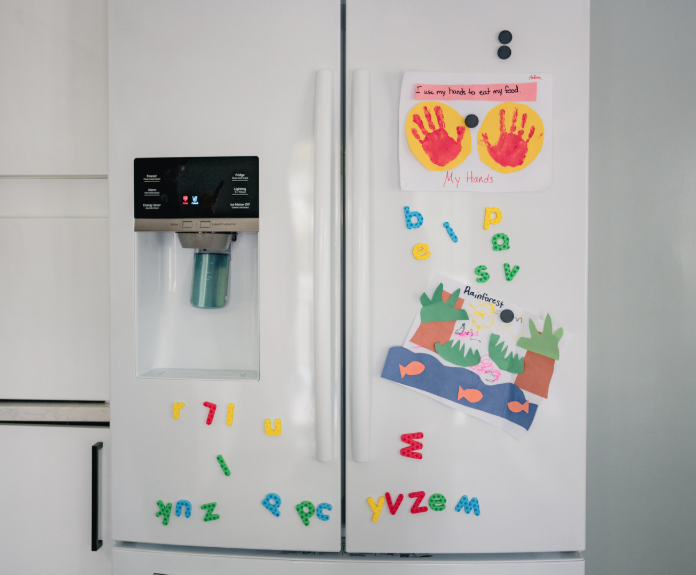
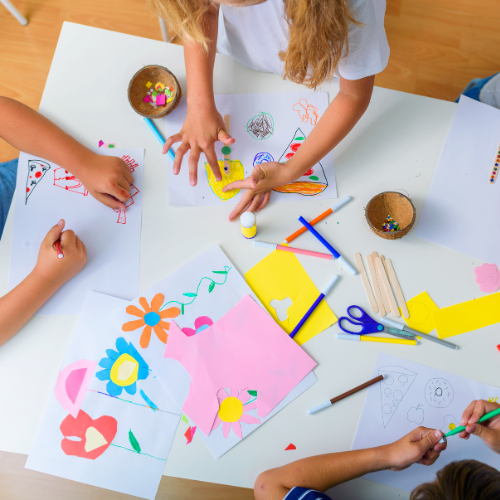
If your kitchen counter is currently covered in crayon masterpieces, glitter projects, and mysterious paper crafts that may or may not be dinosaurs, you’re not alone. The good news is you don’t have to keep every single piece to honor your child’s creativity.
Here are some realistic ways to handle kids’ school artwork without feeling like the villain of the story.
Accept That You Cannot Keep Everything
This is the hardest part...But also the most freeing!
Kids create a lot of art. Teachers send home folders full of it every few weeks, and before you know it, you’re drowning in paper.
Keeping everything:
- Creates clutter
- Makes it harder to appreciate the special pieces
- Turns storage into a nightmare
Instead, remind yourself of this: The memory isn’t the paper. Your child probably won’t remember 95% of the projects they made.
Create a “Gallery” space
Instead of letting the art take over your home, create a space that is set aside for artwork.
Some easy, obvious spaces:
- The refrigerator
- A wall in the kitchen
- A corkboard in the office or basement
This lets kids see their work displayed, which matters to them.
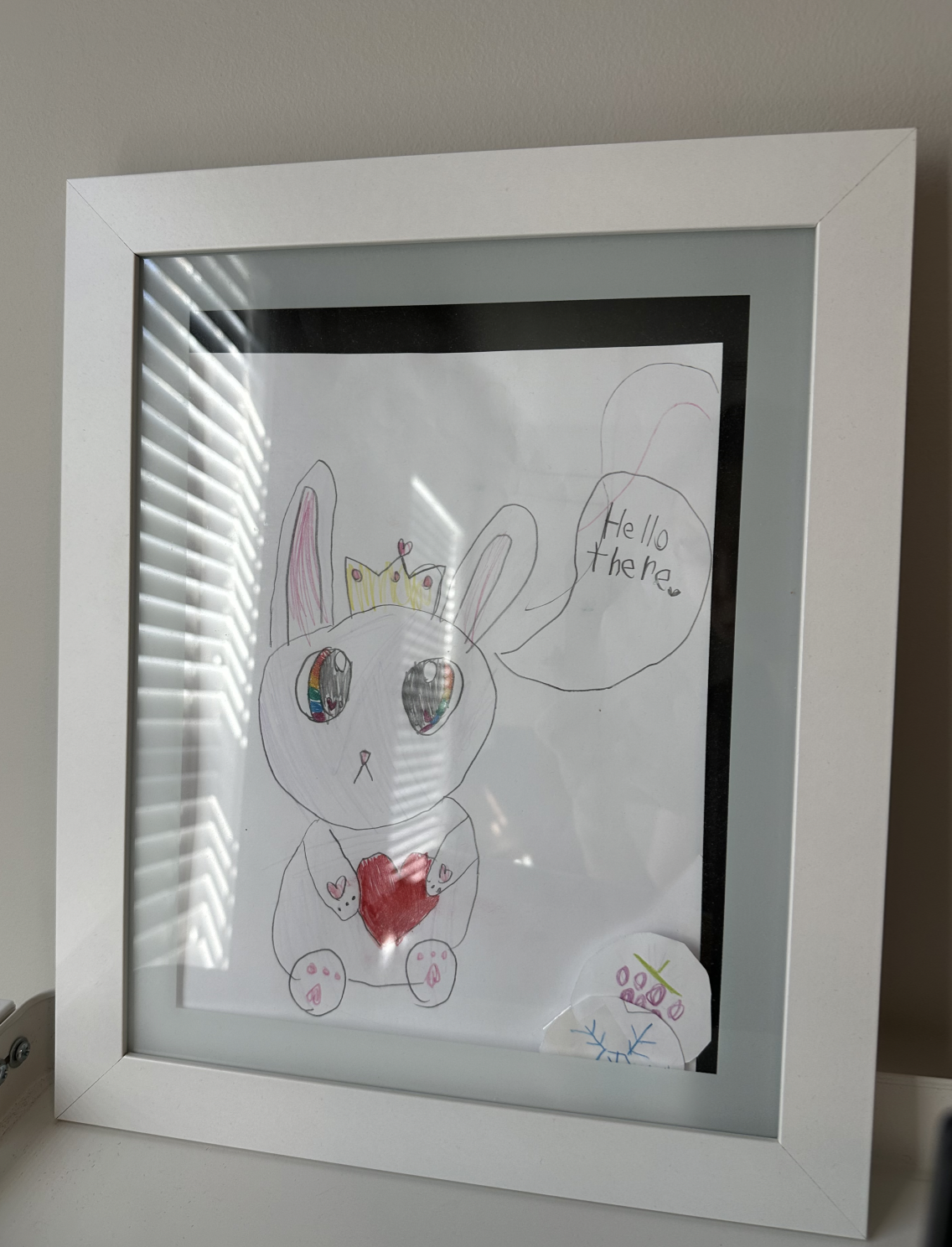
I love this frame that opens up to let you change out or stack artwork. It's perfect for rotating artwork without covering precious wall space, and it blends in well with my existing gallery wall frames.
One of my friends uses this garland-clip decoration for her kids' artwork, and it's a colorful masterpiece that changes everytime I visit their home.
Once the space fills up, it’s time to clear it out!
Keep Only the Truly Special Pieces
When it’s time to clear out some space, look for artwork that is meaningful or memorable.
Good candidates to keep:
- First attempts at drawing something or writing something
- Artwork that shows their personality
- Holiday crafts
- Pieces connected to school milestones
- Drawings with funny or sweet stories behind them
You don’t need 27 versions of the same scribble drawing.
But that first recognizable stick figure? That one’s worth saving.
Take Photos of the Rest
In this day and age, everything is digital! Instead of storing every piece, take a quick photo of the artwork before recycling it. I have an album on my phone called "Kid Art" and I add pictures over time.
There are also some great apps out there (like Keepy and KidArt) that will organize your kids' artwork and save them on the cloud, which helps relieve your phone's memory (it also helps me to share links with the grandparents).
Turn Some Artwork Into Keepsakes
If there are pieces you really love, consider turning them into something else.
For example:
- Use the picture as wrapping paper for a grandparent or friend (make sure you clear it with your kiddo)
- Turn artwork into a photo book
- Laminate bookmarks
- Print artwork onto a canvas tote bag
Remember: The Goal Isn’t Perfect Organization
You’re not building a museum archive of childhood. You’re just trying to manage the daily paper avalanche that comes home in backpacks while still keeping a hint of nostalgia to look back on later.
If you:
- Display some
- Save a few meaningful pieces
- Take photos of the rest
You’re doing great. Your child will almost certainly survive if a few drawings go missing - Probably without even noticing.